The diamond pendant guide.
Styles, settings, and how to choose.
A diamond pendant is one of the most versatile pieces of fine jewellery — wearable daily, suitable for any occasion, and meaningful without being occasion-specific. This guide covers the main pendant styles and settings, how to match a chain length and weight to your lifestyle, what to look for in a stone, and how Quorum makes it possible to own one without paying retail prices.
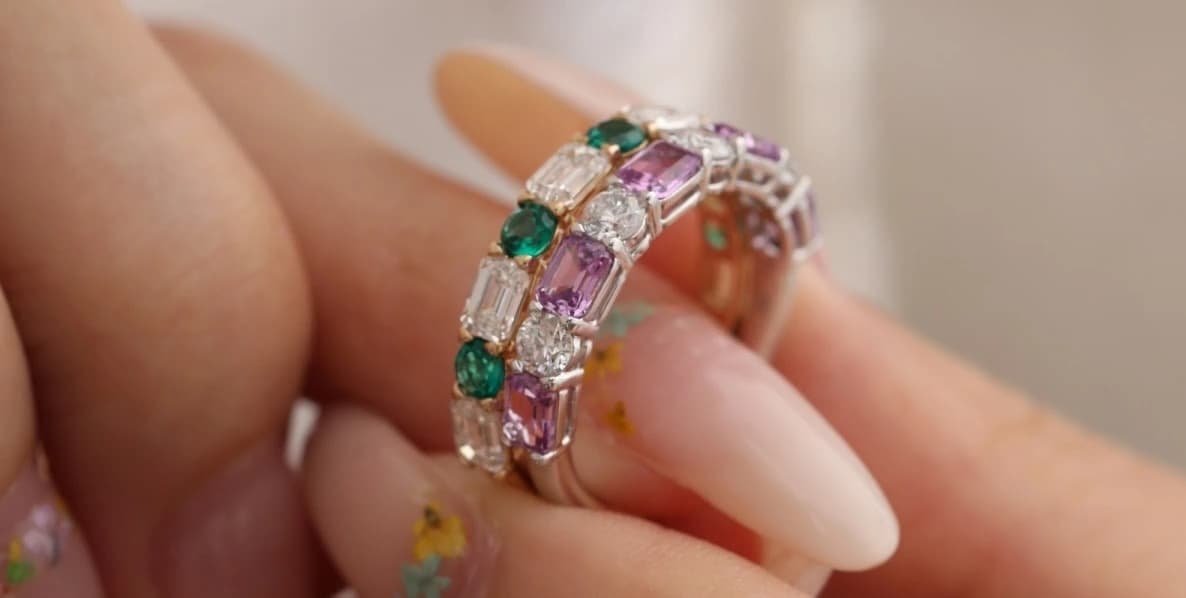
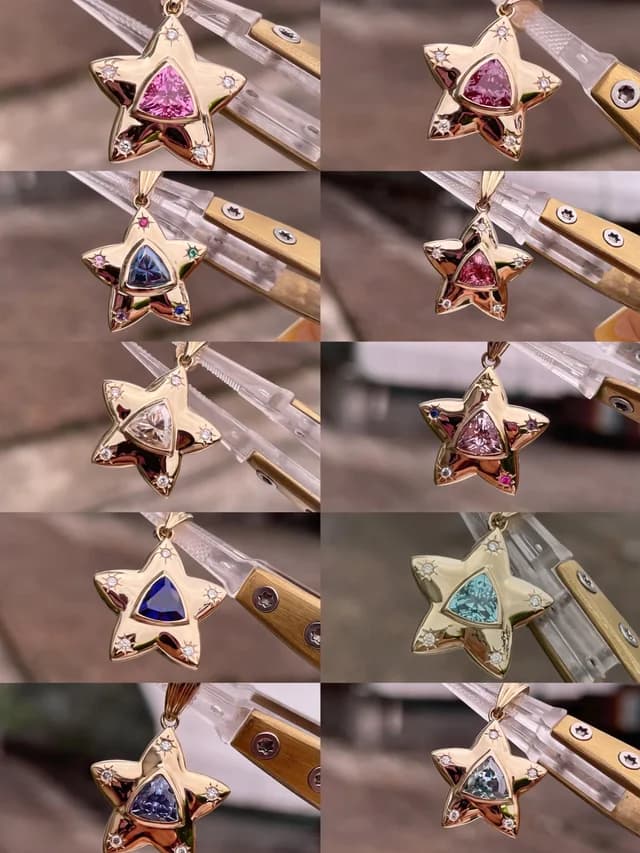
Solitaire, halo, drop, and cluster — what's the difference?
A solitaire pendant features a single stone set alone — the classic diamond pendant. Simplicity is its strength: the stone is the focus, nothing competes with it, and the design ages well across changing trends. Solitaire pendants work with both round brilliant and fancy-cut stones (oval, emerald, pear) and are typically the best choice for showcasing a higher-quality stone. A halo pendant surrounds the centre stone with a ring of smaller stones, which creates the optical effect of a larger centre stone and adds more overall sparkle. Halo designs are more contemporary and suit buyers who want maximum light return across the piece. A drop pendant hangs lower on the chain and often incorporates a more elongated design — a pear or marquise stone, for example, or a stone set below a geometric or decorative bail. Drop pendants have more visual movement. A cluster pendant groups multiple smaller stones together in a geometric or floral arrangement, offering a different aesthetic to the single-stone approach and often more affordable for the same visual impact.
How the stone is held affects both look and security.
Prong settings are the most common for pendants — the stone is held by three or four metal claws that allow maximum light entry. They work well for pendants because the piece is less exposed to impact than a ring. Bezel settings encircle the stone in a rim of metal, which offers more protection and a cleaner, more modern profile. Tension settings, where the stone appears suspended between two metal ends, are striking but less common in pendant designs. The choice of setting affects how much of the stone is visible, how much light it captures, and how the piece sits against the skin. For daily-wear pendants, a secure bezel or four-prong setting is the most practical choice.
The chain matters as much as the pendant.
Pendant length and chain length are both part of the finished look. Chain lengths are typically measured in inches: 16 inches sits at the collarbone, 18 inches falls just below, 20 inches rests at the upper chest, and 24 inches reaches mid-chest or lower. For most pendant styles, 16–18 inches is the most flattering and versatile length. Chain weight affects drape and durability — a heavy pendant on a delicate chain will cause the chain to stretch over time. Box chains and cable chains are the most practical for daily wear. Figaro and curb chains have more visual presence but can compete with a pendant design. If you're wearing a solitaire or halo pendant for its own visual impact, a simpler chain is usually the better choice.
Different priorities to a ring — here's why.
Pendant stones are viewed from a greater distance than rings, which changes the relative importance of the 4Cs. Cut and carat weight have a stronger effect on visual impact at pendant-viewing distance than subtle differences in colour or clarity grade. For a pendant, an Excellent-cut G/VS2 stone will look as impressive as a D/VVS1 at the price of a fraction. Clarity is also less critical in pendants than in rings — inclusions that might be visible in close-up ring inspection are not noticeable at the distance a pendant sits. This means you can sensibly allocate budget toward larger carat weight and excellent cut, and step down slightly on colour and clarity compared to what you'd consider in a ring.
The ideal piece to buy through a group buy.
Pendants represent excellent value in the Quorum model because they are more design-consistent than rings (no sizing complexity to manage) and translate well to direct-to-manufacturer production. Each pendant drop specifies the design, stone options, and metal, allowing full customisation within a professionally developed setting. The group buy structure means every participant gets wholesale pricing on a piece that would retail for significantly more through a boutique or high-street jeweller. Lab grown stones further compound the advantage — a 1ct pendant that would cost upwards of $4,000 with a mined stone can be achieved at a fraction of that with a lab grown stone of equivalent grade.
What is the difference between a pendant and a necklace?
A necklace refers to the entire piece worn around the neck — chain and centrepiece together. A pendant specifically refers to the decorative element that hangs from a chain. The two terms are often used interchangeably in retail, but technically the pendant is the hanging part and the necklace is the assembled piece.
What chain length is best for a diamond pendant?
16–18 inches suits most people and most pendant styles. It places the pendant at or just below the collarbone, which is the most universally flattering position. If wearing over high necklines or layering chains, longer lengths (20–24 inches) give more flexibility.
What stone cut looks best in a pendant?
Round brilliant, oval, and pear are the most popular for pendants. Pear is particularly suited to drop pendant designs because of its directional shape. Emerald cuts offer a more architectural look with strong visual impact.
Is a lab grown diamond pendant a good gift?
Yes — it comes with an IGI grading certificate, is made to the recipient's metal preference, and offers the visual quality of a fine jewellery piece at accessible pricing. It is also a more considered gift than a generic piece because it is certified and traceable.
Can I get a pendant made in specific metal?
Yes. Quorum pendant drops allow metal selection — typically yellow gold, white gold, or sterling silver. Available options vary by drop; check the active listings for current specifications.