Gold, platinum, silver.
What each metal actually means.
The metal of a piece of jewellery affects its appearance, durability, maintenance requirements, and long-term wearability more than most buyers realise. The difference between 9ct and 18ct gold is not just a number — it affects colour richness, scratch resistance, and how the piece ages. The difference between white gold and platinum is more significant still. This guide explains the main fine jewellery metals clearly, so you can choose with confidence.
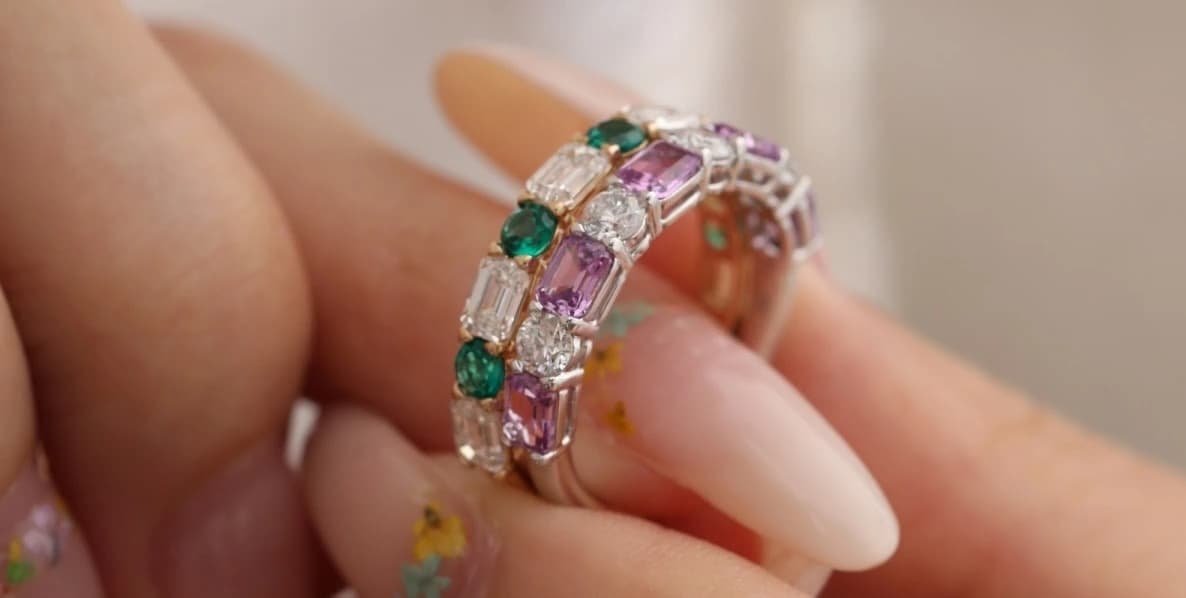
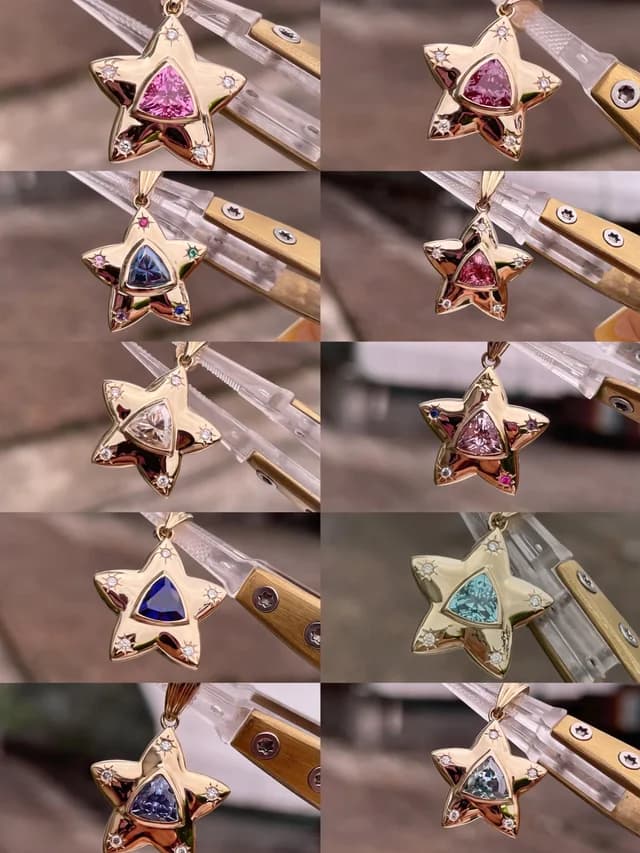
What carat actually means — and why it matters.
Gold's purity is measured in carats (ct) or karats (kt in North America), on a scale of 24. Pure gold is 24ct — but pure gold is too soft for most jewellery applications, so it is alloyed with other metals for strength. The carat figure tells you what proportion of the alloy is pure gold: 18ct gold is 75% pure gold (18 parts gold out of 24), 14ct is 58.3%, and 9ct is 37.5%. Higher carat gold has a richer, more saturated colour — 18ct yellow gold has a noticeably warmer tone than 9ct. It is also softer and more prone to scratching. 9ct gold is harder and more durable for daily wear but has a paler, less rich colour. 18ct is the standard for fine jewellery globally — it strikes the best balance of colour richness, durability, and precious metal content. 9ct is widely used in the UK and Australia for everyday pieces. 14ct is common in the US and offers a mid-point between the two. All Quorum pieces in gold use 18ct or sterling silver, specified per drop.
Same metal, different alloys — and very different looks.
Yellow gold is the alloy's natural colour — the other metals added to strengthen it (typically silver and copper) do not significantly change the yellow hue. White gold is yellow gold alloyed with white metals (palladium, nickel, or silver) to achieve a silvery tone, then rhodium-plated for a bright, reflective white finish. The rhodium plating is what gives white gold its characteristic bright white appearance — but it wears off over time, and the piece will need replating every one to three years depending on wear. Without replating, white gold shows a slightly warm or yellowish tone underneath. Platinum white gold requires no plating and maintains its colour indefinitely — the visual difference from white gold is subtle but the maintenance difference is significant. Rose gold is yellow gold alloyed with copper, which gives it the characteristic pink warmth. It has become popular over the past decade for its distinct and flattering tone. Like yellow gold, rose gold requires no plating and maintains its appearance — it may develop a slightly deeper patina over time, which most wearers consider part of its character.
The premium metal — and why it commands that premium.
Platinum is a naturally white, dense, and extremely durable precious metal. It does not require rhodium plating (unlike white gold), does not tarnish, and is hypoallergenic — making it the best option for people with metal sensitivities. Its density means it holds settings more securely than gold alloys, which is particularly relevant for high-value stones. Over time, platinum develops a patina — a slight dulling of its surface reflectivity from everyday scratches — that many wearers find appealing and that jewellers can polish away if not. Unlike gold, which loses small amounts of metal when scratched, platinum moves rather than abrades, meaning the metal is not lost — just redistributed. The downsides are cost (platinum is rarer than gold and heavier, so pieces cost more for the same design) and that it is softer at the surface than white gold in the short term, meaning it develops that patina more readily. For buyers who want a maintenance-free white metal with maximum durability, platinum is the clear choice.
A different category — and the right choice for some pieces.
Sterling silver (925 silver — 92.5% pure silver, alloyed with copper for strength) is not a substitute for gold or platinum in fine jewellery — it occupies a different category. Silver tarnishes over time as the copper alloy reacts with air and moisture, requiring regular cleaning. It is softer than gold alloys and less suitable for pieces that receive constant impact, like rings worn daily. However, for pendants and earrings — pieces that are worn close to the body, handled gently, and stored carefully — sterling silver is a perfectly practical and beautiful metal. Its lower cost makes it an accessible entry point to fine jewellery, and it pairs well with lab grown stones at the accessible end of the price range. Quorum offers sterling silver options on selected drops, clearly marked in the specifications.
Matching the metal to the piece and the wearer.
The most useful questions when choosing a metal: Does the wearer have a preferred metal colour? Metal colour is the easiest thing to get wrong — don't second-guess an established preference. How much daily wear will the piece receive? Rings receive the most impact; platinum or 18ct gold is preferable for engagement rings and daily bands. Pendants and earrings are less subject to impact and any of the metals perform well. Is the wearer sensitive to certain metals? Platinum and high-purity gold (18ct+) are safest for sensitive skin. Nickel-containing white gold alloys can cause reactions — check whether the specific alloy uses nickel before buying. What is the long-term maintenance appetite? If the wearer is unlikely to take pieces for regular servicing, platinum and yellow/rose gold require the least upkeep. White gold requires replating to maintain its appearance.
Is 18ct gold better than 9ct?
Better depends on priorities. 18ct gold has a richer colour and higher gold content — it is the standard for fine jewellery. 9ct is harder and more durable for very active wear. For most fine jewellery, 18ct is the appropriate choice.
Does white gold turn yellow over time?
The rhodium plating on white gold wears away over time, revealing the slightly warmer base metal underneath. Replating by a jeweller (typically every one to three years, depending on wear) restores the bright white finish.
What is the difference between white gold and platinum?
White gold is yellow gold alloyed with white metals and rhodium-plated. Platinum is a naturally white, separate metal. Platinum is denser, more durable, hypoallergenic, requires no plating, and costs more.
Is sterling silver fine jewellery?
Sterling silver (925) is a precious metal alloy, but it is generally considered separate from the gold/platinum category of 'fine jewellery.' It is suitable for pendants and earrings but requires more maintenance than gold or platinum, particularly for rings.
What metals does Quorum use?
Quorum offers 18ct yellow gold, 18ct white gold, and sterling silver on current drops. Available metals vary per drop — check the active listing specifications for current options.