How to buy diamond jewellery as a gift.
Without guessing wrong.
Diamond jewellery is one of the most meaningful gifts you can give — and also one of the most anxiety-inducing to buy for someone else. Style preferences are personal, sizing can be wrong, and the pricing opacity of the jewellery industry makes it hard to know if you're getting value. This guide cuts through all of that: which pieces work best as gifts, how to choose when you're not certain of preferences, and how to make the purchase with confidence.
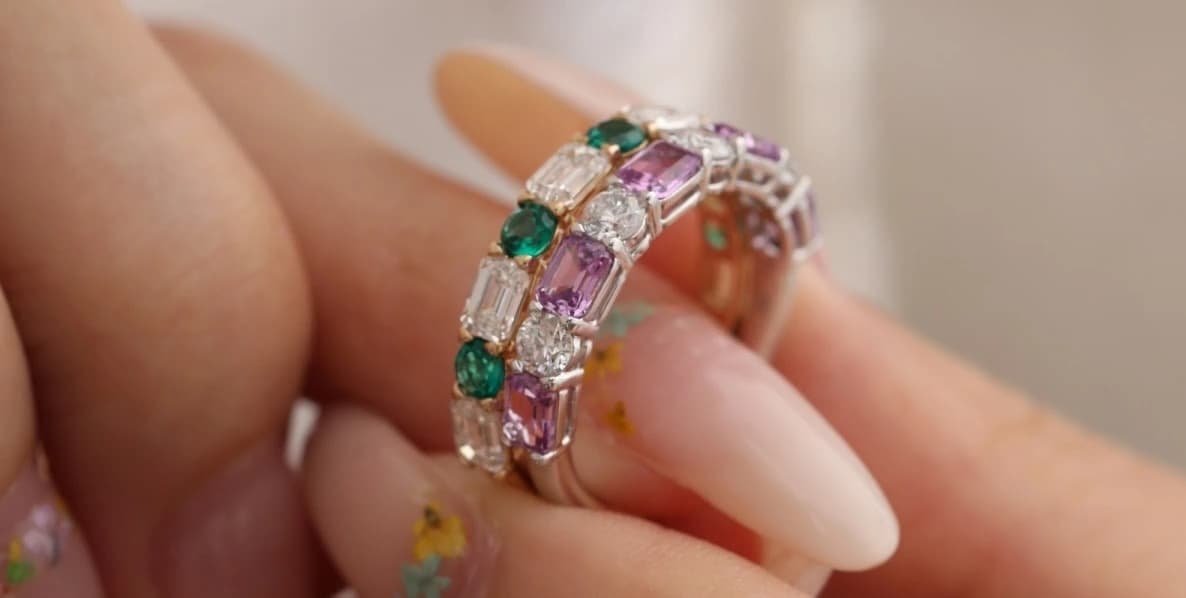
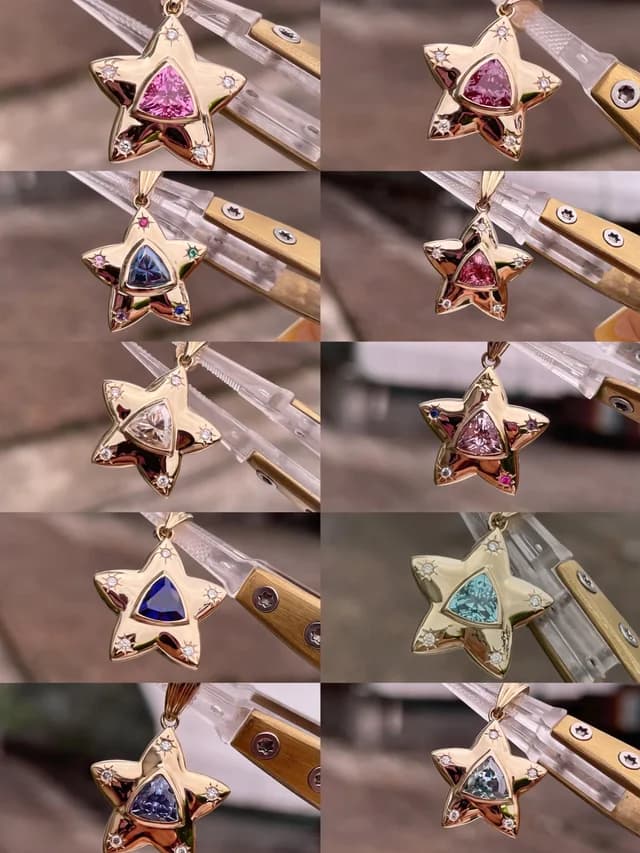
Pendants and earrings first. Rings last.
The fundamental challenge of buying jewellery for someone else is that you are making aesthetic and sizing decisions on their behalf. The safer the piece, the less room for error. Pendants are the ideal gift jewellery: they require no sizing, they are worn against the body without the constant visibility of a ring (meaning style preferences are less critical), and a well-chosen solitaire or simple halo pendant in a timeless metal is genuinely hard to get wrong. Stud earrings carry similar advantages — no sizing, close to the face where a beautiful stone has real impact, and stylistically neutral in classic designs. Bracelets require some size consideration but are more forgiving than rings. Rings are the most personal and the most likely to need adjustment — they work well as gifts when you have precise knowledge of the recipient's size and style, but carry the highest risk of a miss.
What their existing jewellery tells you.
The most reliable guide to someone's jewellery preferences is what they already wear. Metal colour is the most useful data point: if they consistently wear yellow gold, buy yellow gold — even a beautiful piece in white gold will feel off if it doesn't match how they wear jewellery. Observe scale: do they wear delicate pieces or statement pieces? A person who wears subtle everyday jewellery will likely prefer a refined solitaire to a large halo. Note stone shape preferences if you can — someone who gravitates toward geometric shapes in their clothing and accessories may prefer an emerald cut over a round brilliant. If you have genuinely no visibility into their preferences, a classic solitaire pendant in yellow or white gold is the closest thing to a universal default in fine jewellery.
Matching the piece to the moment.
Different occasions carry different weight and call for different pieces. An anniversary — particularly a significant one — justifies a more substantial piece: a ring upgrade, a diamond pendant of meaningful carat weight, or a bracelet. A birthday or Christmas gift can be a more modest piece — a pair of diamond studs, a delicate solitaire pendant, or a stackable ring. A first fine jewellery gift (early relationship, first milestone) calls for something thoughtful but not disproportionate — a small solitaire pendant or simple diamond earrings signal the right intention without creating pressure. Engagement rings are their own category with their own considerations, but all the same principles apply: know the recipient's metal preference, have an accurate ring size, and prioritise cut quality in the stone.
Three things that matter for gifted jewellery.
First, does the piece come with an independent grading certificate? A certified stone (IGI or GIA) gives the gift objective, verifiable quality. It means the recipient can get it independently valued or insured, and it signals that the giver bought something real — not something dressed up with retail marketing. Second, is there a clear return or exchange policy? Even with the best intentions, a size or style can be wrong. A seller that makes exchange straightforward reduces the risk of the gift becoming a source of awkwardness. Third, what is the metal specification? 'Gold' is not sufficient — the piece should specify 9ct, 14ct, or 18ct gold (or platinum). Pieces labelled 'gold-plated' or 'gold-filled' are not fine jewellery and will not wear like fine jewellery.
The gift should reflect your care, not the retailer's margin.
The amount spent on a gift is not the same as the value of the gift. Spending $500 on a certified lab grown diamond pendant that costs that because of direct manufacturing and group buying is a more meaningful gift than spending the same amount on a mined diamond of inferior grade dressed up in brand packaging. The grading certificate that comes with a Quorum piece tells the recipient exactly what they have — a real stone, graded to an objective standard, chosen for them. That's a more honest signal of care than a retail box with a significant margin baked in.
Is a diamond pendant a good gift for any occasion?
Yes — it is one of the most versatile fine jewellery gifts because it requires no sizing, suits most style preferences in classic designs, and carries visual significance without the weight of a ring.
How do I find out someone's ring size without asking?
Borrow a ring they wear on the relevant finger and have it measured at a jeweller. Alternatively, trace the inside circle on paper and compare to a ring size chart. If unsure, most jewellers (including Quorum) can resize after delivery.
What is a good budget for a diamond jewellery gift?
There is no universal answer, but $200–$500 covers a quality lab grown diamond stud or simple pendant at Quorum pricing. $500–$1,500 reaches more substantial pieces. The key is buying certified — a smaller certified stone is a better gift than a larger uncertified one.
Can I personalise the piece?
Yes. Quorum pieces are made to order with your choice of stone and metal. Personalisation is built into the model, not a premium add-on.
What does it mean that the diamond is IGI certified?
IGI (International Gemological Institute) is one of the world's leading independent diamond grading bodies. Certification means the stone's Cut, Colour, Clarity, and Carat weight have been assessed by an independent expert and documented in a grading report that ships with the piece.